
Article: CREATINE FOR ACTIVE WOMEN: WORTH IT OR OVERHYPED?
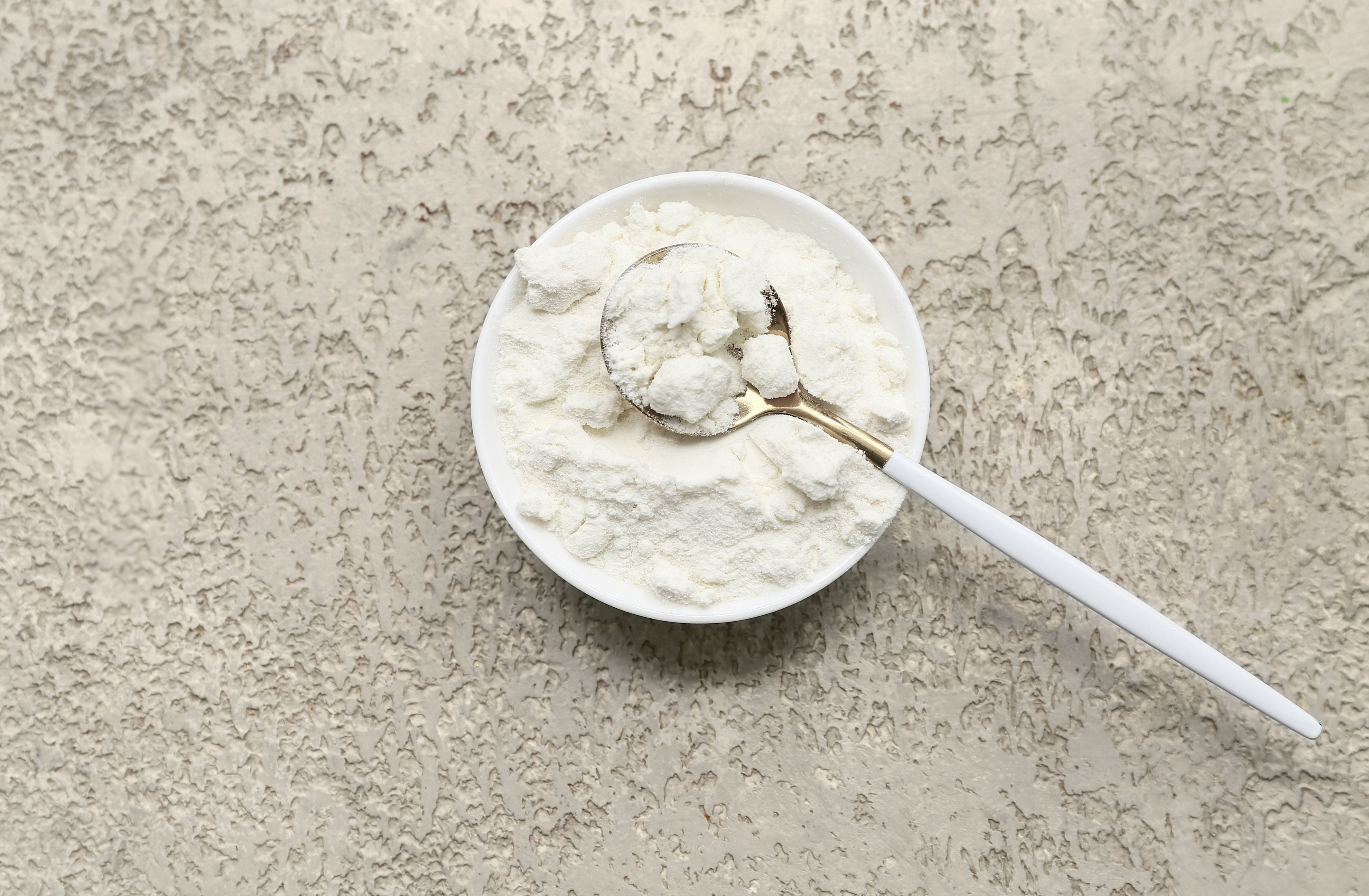
CREATINE FOR ACTIVE WOMEN: WORTH IT OR OVERHYPED?
Creatine has become one of the most talked-about supplements, often described as a non-negotiable for optimising health today, particularly in women’s health. You’ve probably wondered if creatine is truly worth it. We hear you. This is probably the one article you want to read about creatine if you are a healthy active woman.
This guide was curated by our team nutritionist to offer a clear, practical approach to using creatine effectively. It covers what the evidence actually supports, the dosages that work, and how to get the most from it, based only on high-quality, well-conducted, unbiased scientific research.

WHY IS IT RELEVANT AND HOW DOES IT WORK
Creatine is one of the most well-researched and effective supplements for improving exercise performance. It does not directly build muscle but works by increasing energy availability during high-intensity efforts, helping your workouts feel stronger, your sets last longer, and your recovery between sets improve.
Over time, this translates into better training adaptations, increased lean muscle mass, and improved performance during more demanding sessions.
WHAT IS CREATINE LOADING AND WHAT’S THE SAFEST DOSAGE
Creatine can be taken using a loading phase or a steady daily intake. Loading typically involves higher doses at the start (around 20–25 g per day) for faster results, followed by a maintenance dose of 2–5 g daily. This does not mean a consistent intake of 3–5 g per day cannot be used from the beginning. While loading saturates stores within about a week, a steady intake achieves similar levels over approximately four weeks, without the increased likelihood of digestive discomfort reported at higher single doses (>10 g at once).
Conclusion: Loading is not necessary and may be a less comfortable approach, especially if you have a sensitive stomach or fear water retention.
This is supported by both large studies [1] and smaller, double-blind, peer-reviewed studies not associated with any specific creatine brands [11].
If you do choose to start with a loading phase, it is generally recommended to divide 20 g into four 5 g servings taken throughout the day [1].

TIME AND FREQUENCY OF INTAKE: BEFORE OR AFTER WORKOUT, DAILY?
Some research suggests that taking creatine post-workout may offer slightly better results, but in reality, the difference is minimal and inconsistent when compared to simply taking it consistently each day [6].
At the end of the day, what truly matters is regular intake. Over time, muscle creatine stores build up regardless of when you take it. It’s also worth noting that many studies on this topic are linked to, or supported by, specific creatine brands, and well-designed research comparing multiple brands is still lacking. For that reason, there’s no need to stress about timing. The best approach is simply to take creatine at a time that fits easily into your routine.
WHAT SHOULD THE LABEL SAY TO ENSURE YOU GET THE BEST OPTION
Look for pure creatine monohydrate and avoid added fillers or flavourings. Quality creatine should be neutral in taste and odour, so there is no need for extra ingredients.
Other forms like creatine ethyl ester, pyruvate or magnesium chelate are often marketed as superior, but the evidence supporting them is far less consistent than for creatine monohydrate [3].
Cautionary note: As with any supplement, prioritise brands that are transparent about the origin of their ingredients and that conduct third-party lab testing to reduce the risk of potential contaminants such as heavy metals.
IS ‘MICRONISED’ CREATINE BETTER?
Another term you may see on labels is ‘micronised’. This refers to the particles being smaller so it dissolves more easily in liquids [5]. Research is still limited and does not show clear benefits for absorption or performance. Some early studies suggest it may be easier on digestion, but it can also be more expensive [15]. If you have a particularly sensitive stomach, you might consider trying it, otherwise standard creatine monohydrate is more than enough.

DOES IT CAUSE WATER RETENTION?
Creatine might make your muscles hold a bit more water, but not in any way that’s visible. In the first few days—especially with a loading dose—you might notice a slight increase in water inside your muscles. But longer term, most studies show no overall body water increase. And to put your mind at ease: this isn’t like PMS bloating or any uncomfortable fluid retention. It’s all happening inside your muscles, supporting their function and growth, without changing how you look on the outside.
WHY HAS IT RECENTLY BEEN SPECIALLY PROMOTED FOR WOMEN’S HEALTH
After muscle, the brain, heart, and reproductive system are among the tissues that rely most on creatine. Research in women’s health has been underexplored for far too long, but early evidence suggests creatine may help support egg quality and endometrial function. It is a promising area, but one that is still developing.
Creatine is also being investigated for its potential effects on mood. For now, the findings are mixed, and the most effective dosage has not yet been established.

IS IT EQUALLY EFFECTIVE FOR ATHLETES?
Creatine can improve physical performance, especially power output, even in elite athletes across sports such as football, volleyball, wrestling, and swimming. That said, the effect is usually even more noticeable in less trained individuals than in athletes already performing near their peak. In other words, the more room there is to improve, the more creatine tends to deliver [7,9,16].
CAN CREATINE SUPPORT TENDON HEALTH AND FLEXIBILITY?
While most creatine research focuses on muscle, a few early studies have started to explore its role in connective tissue:
-
Adolescents with tendon overuse injuries: those taking creatine alongside rehab recovered faster, with less pain, stronger injured limbs, and lower signs of muscle damage vs placebo [8].
-
Tendon healing (animal model): in mice with tendon injuries, researchers observed changes in how creatine is used within the tissue during healing, suggesting it may play a role in the repair process, although supplementation was not directly tested [13].
- Injury and immobilisation (review): creatine helps maintain muscle mass and strength when activity is reduced, which can indirectly support tendons by improving stability and reducing strain during recovery [4].
COGNITIVE BENEFITS: MEMORY, ATTENTION AND MORE
Creatine is no longer being discussed only in relation to muscles. In recent years, it has also drawn attention for its potential role in brain function, including memory and attention. Some research further suggests that disrupted creatine metabolism may be linked to conditions such as depression and anxiety.
What about the recommended dosage for brain health?
Some research suggests that higher doses, or taking creatine for longer, may be needed to effectively increase levels in the brain, but the evidence is still mixed. Some studies have found cognitive benefits at around 10 g per day, as well as at both lower (5 g) and higher intakes (up to 20 g). However, other studies using similar or even higher doses have found no clear benefit, so there is still no single 'optimal' dose when it comes to brain function [12, 14].
Is this effect applicable to all populations?
Findings are mixed. Some studies report no significant effects in healthy adults. What does seem more consistent is that these benefits are more evident in people under higher levels of stress or in states such as sleep deprivation, where creatine may have a more noticeable neuroprotective role [2].

IMPORTANT CONSIDERATIONS: WHO SHOULD BE CAUTIOUS?
BOTTOM LINE
Creatine monohydrate remains the gold standard. There is no strong evidence that micronised forms improve absorption; their main advantage is simply better solubility.
Loading is not necessary. Creatine works by gradually accumulating in the muscles over time, so taking it daily is what sustains its effects, and the time of day you take it is far less impactful than your consistency.
SUMMARY
What Creatine Does
- Does not directly increase muscle, but increases energy availability during your workouts
- This translates into feeling stronger, improving performance, and achieving better results over time
How to Use It
- 3–5 g daily is effective and sufficient
- Loading is optional, not necessary
- Consistency matters more than timing (time of day)
What the Evidence Shows
- Most well-researched form: creatine monohydrate
- No clear advantage of alternative or ‘micronised’ forms
Beyond Muscle
- After muscle health, cognitive function is the area with the most supporting evidence
- Higher intakes (around 10 g) are sometimes suggested to saturate beyond muscle stores
- Emerging research in women’s health and connective tissue shows promising but still limited evidence
Considerations
- Gastrointestinal discomfort is more likely at higher single doses (>10 g at once)
- Caution with kidney conditions and during pregnancy








Leave a comment
This site is protected by hCaptcha and the hCaptcha Privacy Policy and Terms of Service apply.