

LEA TORAN JENNER
‘Everyone is on their own timeline. Comparing your two years to someone else’s fifteen will only block you.’

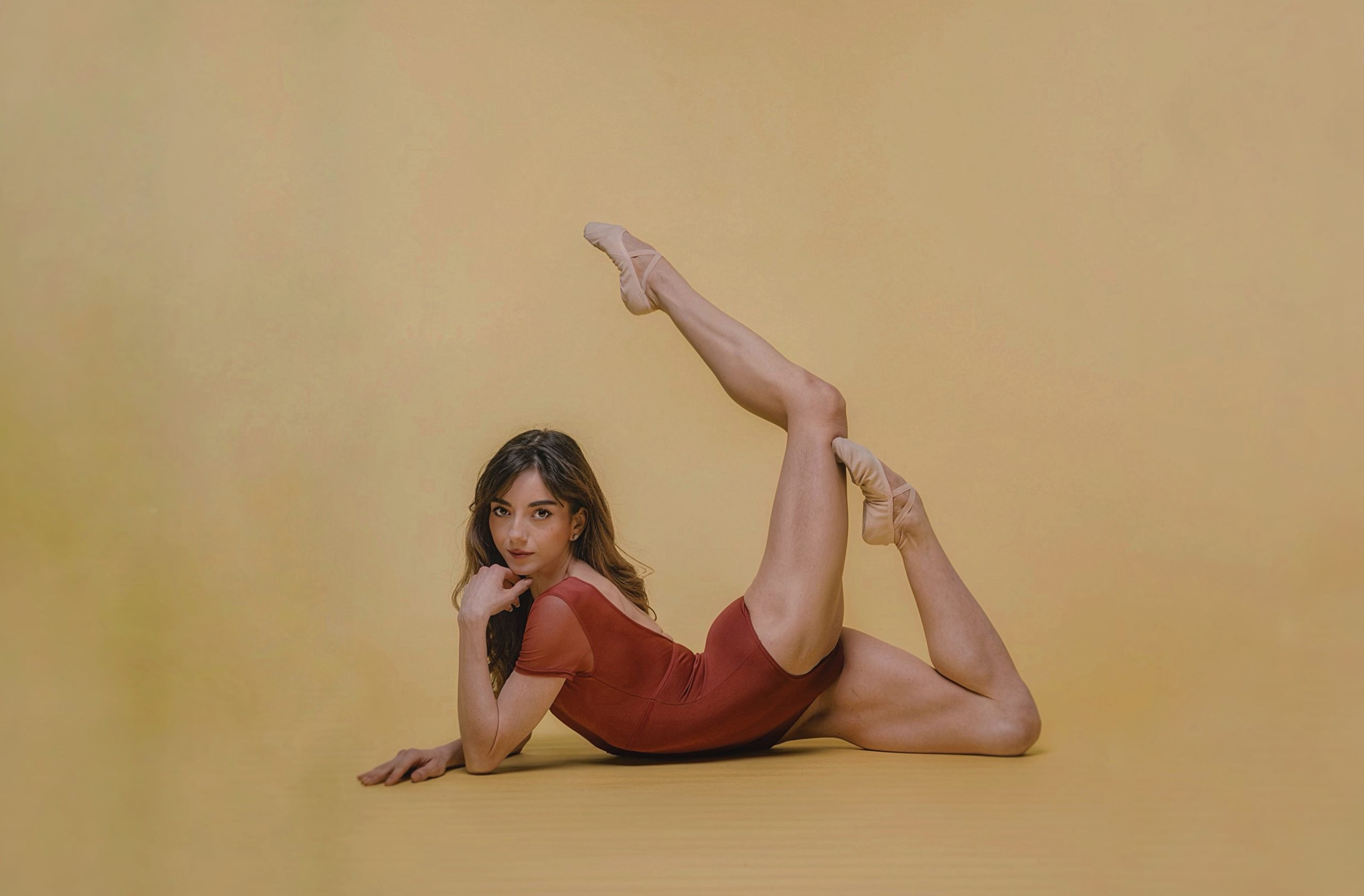
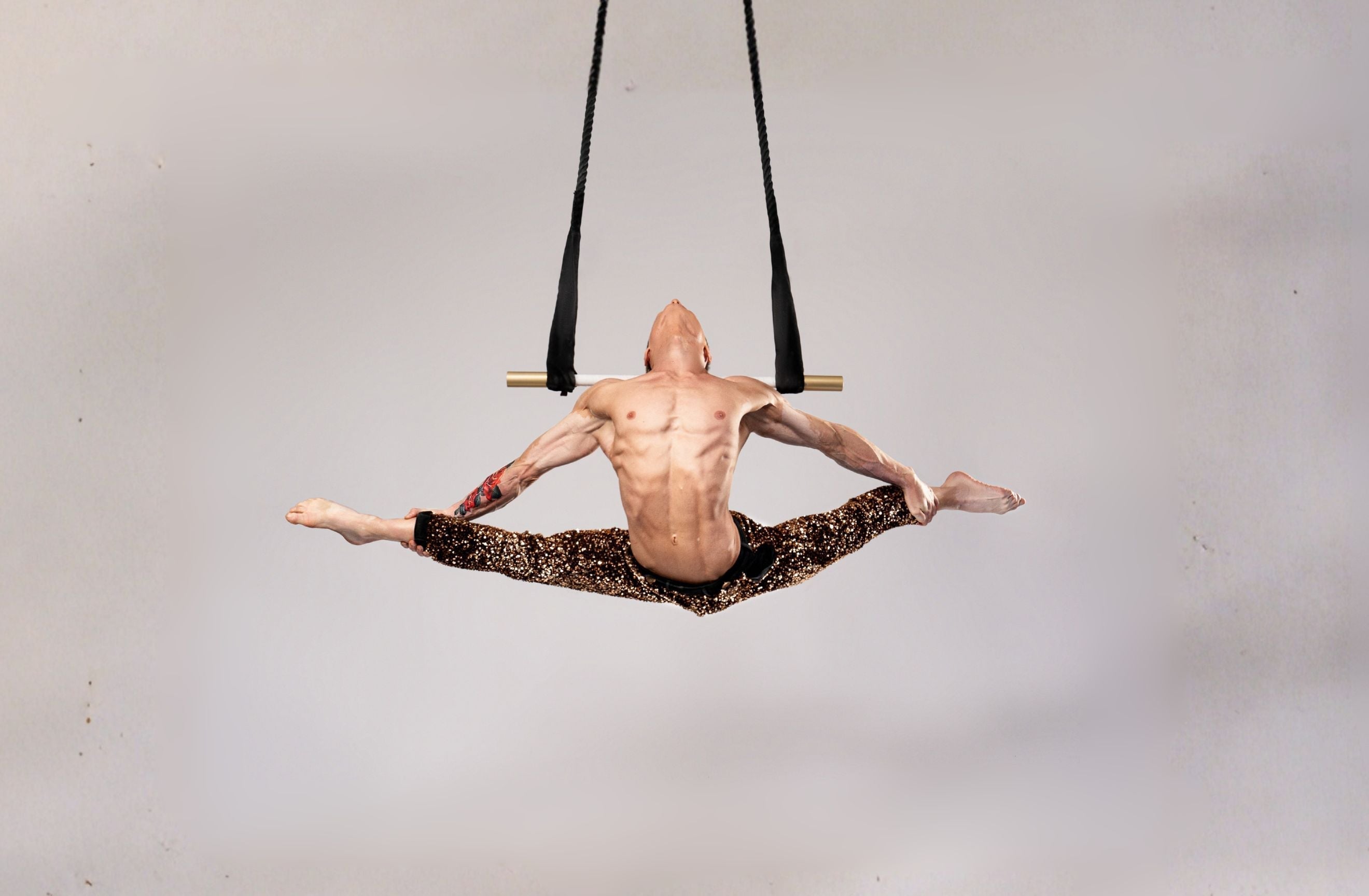
Lea Toran Jenner is a German circus artist with Spanish roots, specialising in Cyr wheel and chandelier acrobatics. She began training at the age of five and later graduated from the prestigious École Nationale du Cirque in Montréal. A Cyr wheel world champion, Lea has performed internationally on some of the world’s most renowned stages, including Cirque du Soleil’s LUZIA, the Moulin Rouge in Paris, and productions with Cirque Éloize. Known for combining technical mastery with expressive performance, her work explores the intersection of athleticism, artistry, and stage presence, making her one of the distinctive voices of contemporary circus.
How has your relationship with your body changed over time?
Oh, it has changed so much. When I was a kid, I didn’t really realise there was a relationship. It was just me and my body, we were kind of one, and I could do cool things, and that was great.
Then, when you go through puberty, everything changes, both for good and bad, and you have to readjust. During my whole training at circus school, there was also a lot of outside influence, which made that period more complicated.
Now I’m 33 and I feel the best I ever have in my body. I feel I can still do everything I always could. There’s nothing that I think I used to be able to do, but I can’t anymore. I feel really comfortable. I’m still learning new tricks and working on new things, and it feels like there is no end. Right now it feels amazing.
Can you tell us a little about yourself and your work?
I call myself a circus performer because I perform in many different types of circus, from the most traditional to the most modern, but also in fashion shows, galas and events. I try to create art that is broad so it can touch everybody and also be booked by many different types of productions.
My main discipline is the Cyr wheel. It’s a big metal ring that I spin in. For people who don’t know circus, I usually explain it like when you spin a coin on a table and it turns. It’s kind of that image, just a really big coin and me inside the coin. I also do some aerial work.
I always wanted to be a performer. It was a dream I had since I was a little kid. I started gymnastics when I was five until fifteen, then switched to aerobic gymnastics. After that I went to National Circus School in Montreal, which is where I learned most of what I do now. I’ve been working professionally for about ten years, and it has changed from doing every single show I could book to now selecting what the interesting projects I want to be a part of are.

You originally trained in artistic gymnastics, correct?
Yes, originally, I come from a small town and we had a very good gym there, which was lucky, because where you grow up really shapes your path. I was training five or six times a week already when I was seven or eight years old. For many people that sounds intense, but for me it was always fun. My parents always had the rule that as long as I was enjoying it, I could continue.
There came a moment when I grew quite quickly and I was already considered tall for artistic gymnastics. Around the age of ten or eleven I started showing signs that I didn’t really want to go anymore. I was getting worried and a bit scared as well, because it can be dangerous. My parents then suggested we look for something else, and that’s when I found aerobic gymnastics.
Aerobic gymnastics is a very small sport that many people don’t know. It’s a bit like a mix between cheerleading and synchronised swimming. You work mostly in teams, everything is very dynamic, and there are lots of jumps into split positions or push-up positions. I was very good at it and I really liked it. Being tall was also less of a problem there. I’m 1.73 metres, which is quite tall for an acrobat, but where I grew up that was considered normal. Even today I’m often the tallest girl in the shows I work in.
Aerobic gymnastics also involves a lot of expression. Did that influence how you approach performance today?
Yes, you actually had points for the face. One of the hardest things was that we were a group of teenagers doing this, and when you’re fifteen it feels a bit cringe. Our coach insisted that we always smile during training, but we thought, 'No, we don’t have to smile in training. We’ll smile at the competition.'
But then we realised that if you only train at about eighty per cent, because you skip the smile or the full expression, then at the competition you can only add a little bit. If you train at one hundred per cent—full smile, full expression, full everything—then at the competition it comes naturally and you can even add more.
That’s something I learned there, and I still do it now when I rehearse acts, even if there is no audience, because it is part of what you are training.

What would you say is your unique quality as a performer?
I think it’s the joy on stage. I always try to perform from the heart, and I genuinely enjoy being on stage. Even if there is a dramatic aspect to an act, there is always going to be joy in it, and it’s real joy. I can’t fake that. It’s not possible for me to fake it. In fact, the last show I was booked for Cirque du Soleil, they told me that was exactly the reason they chose me. They said that when I perform the Cyr wheel it looks like I’m having fun, like I’m truly enjoying myself.
Even when I’m training, I often put music on and I’m just dancing to it, smiling and having fun. At the beginning of my career, I was sometimes told that I needed to be more artistic or play a role, so I tried to add many layers to what I was doing. But eventually I realised it doesn’t have to be like that. You can simply perform from the heart, and if what you feel is joy, that is what you convey. Of course, it might not fit every single show, but then maybe I’m just not the right cast for that production.
For me it always comes back to that connection. Even now, performing twelve shows a week at the Moulin Rouge in Paris, which is a lot, I try to reconnect with why I’m there and with the joy of being on stage. When you connect to that, people can feel it, and they enjoy it as well.
Your background is very physically diverse. Do you think having a broad physical foundation, rather than specialising too early was an advantage ?
Yes, I think so. I had a broad acrobatic background and developed strength, flexibility and dynamics in a balanced way. I’m flexible—I have good splits and even a slight oversplit—but not extreme flexibility. I’m also strong enough to do things like chin-ups, but not strong enough to be a base or specialise in disciplines that require extreme strength. It’s the same with dynamics: I’m dynamic, which works well for the Cyr wheel, but I’m not a great tumbler.
The discipline I chose also needs a bit of everything without requiring one quality to be pushed to the extreme. Sometimes I used to envy people who are extremely flexible, because flexibility in circus is something you can add to almost any discipline. You can put it in the air, you can put it on the floor, you can put it anywhere, and it is immediately impressive. Other qualities, like being very strong, can actually be harder to show in skills.
I only discovered the Cyr wheel when I was nineteen at circus school. Before that I had done gymnastics and many other things, so all of that became the base for what I do now. Even today I’m still refining small tricks in the wheel that would not have been possible ten years ago, and I know they are only possible because of the foundation I built before.

You toured with Cirque du Soleil and trained with Aleksei Goloborodko, one of the most flexible contortionist in the world. What was that experience like, and how did it influence your approach to flexibility training?
We were on the same show, Luzia, at Cirque du Soleil. They have a really nice concept there: if you can teach a skill and other artists want to learn it, you can actually get paid to give classes. I started asking Aleksei questions because I was curious about flexibility, and he began teaching me. Then the company saw it and asked him if he wanted to be an official flexibility coach, so he started giving group and private classes. That meant we had a real schedule, training together two or three times a week for quite a long period, not just trying things out once.
I mainly wanted to improve my splits and my back flexibility, and also regain some of the flexibility I had when I was younger. In the Cyr wheel I don’t really use my back flexibility much, so I had lost some of it over time. Because I had that base already, I probably progressed faster than someone starting from zero. What I loved most about working with Aleksei was the confidence he gave me. There is so much misinformation around flexibility, especially with the back, and many people say things like, ‘That doesn’t look normal, you’re going to get injured,’ or ‘You’re too old to start working on that.’ He hears that all the time.
Training with him was very different. Sometimes we worked on strength, sometimes he would push me a little deeper, and he had so many different exercises. I shared some of the training online and people were commenting that it was dangerous, but I was always following my body and my sensations. I never pushed past pain, and you can clearly feel the difference between a deep stretch and pain. He really gave me the confidence that you can keep developing flexibility later in life and that working on it does not automatically mean injury. And he’s also just a very kind person. Every session started with him asking how I felt that day and adjusting the training from there. It was a wonderful experience.
Do you still keep some of Aleksei’s training in your routine today? Do you still work a lot on flexibility?
I work a bit less on it now, but I still have all the exercises. The problem is that it takes so much time. At a certain moment you have to decide where you want to focus and what you want to improve. There are some exercises I still do almost every day, like the basic ones for warming up my bridges. And also for the splits, he helped me a lot to have a better position. A lot of aerialists or circus artists just push the split and sit into it, waiting to go down, but they’re not in the correct position. He was really making sure that you are in the right position, even if you are not yet in a full split. That’s something I’ve adapted more into my regular training, and I think in the long term it will be healthier for me.
In the Cyr wheel you don’t need that much flexibility. There are not so many tricks where you can show oversplits or back flexibility. So for me it’s more about maintaining it. I kind of see it like different things have the focus at different times. For example, this summer there are the Cyr wheel world championships. I did it two years ago as a challenge for myself. It was really fun because it makes you train differently, but it’s not something that is that important for my career. I love performing. This is more like a challenge, like a fun little thing.
Last time I had about half a year to prepare and I was really training a lot, and I ended up winning the competition, so I’m world champion in Cyr wheel, which is a fun flex. This year I decided to do it again, but instead of doing the same thing as last time, I’m working on new tricks to push the field and see how far we can go. Another thing I’m really curious about is hair hanging, where you tie your hair and fly in the air suspended only by your hair. I've also had a little bit of experience with that. For that it’s actually really nice to have flexibility, so it’s always about focusing on one thing while trying to maintain the rest.

When it comes to the Cyr wheel, what are the most common injuries performers experience?
Usually hips or shoulders. What people don’t always realise with the wheel is that you actually have to make it spin. It looks like it’s spinning by itself, a bit like when you see an aerial hoop and it seems to be flying, but in reality you have to push constantly. To keep the wheel moving you’re mostly pushing with your legs, and if your legs are quite high up or if you’re pushing very fast, that can create blockages in the hips. Personally, I’ve never had hip problems, but I know several people who have had operations, often the same type of operation, so it does seem to be something that can come from the wheel.
The other common area is the shoulders. When you transfer your weight onto your hands or your arms, it can be unstable. You’re supporting yourself on one hand and you have to make sure everything is aligned and controlled. That’s where people can dislocate a shoulder or have tears in the shoulder. I’ve been lucky so far; I’ve not had any major injuries. Sometimes I feel my shoulder a little bit, but then I just do my physio exercises to stabilise it and make sure everything stays strong.
Was there ever a discipline or movement that felt unnatural for your body type?
In training we touched many different disciplines because I went to circus school. The thing I liked the least was climbing, anything like climbing a rope or climbing an aerial silk. Even though I’m quite strong and I can do pull-ups, it was always something that didn’t feel natural to me. When I was preparing for the entrance exams for the National Circus School, pull-ups were one of the requirements. Everything else was improving very fast, like push-ups or jumps, but pull-ups were always the one thing that felt difficult.
But I was never really forced into something that didn’t suit me. I do perform aerial sometimes, for example with a big chandelier, but it’s more visual. I don’t need to be extremely dynamic or climb a lot.
It was more the opposite situation. I originally applied to circus school for handstands because I loved doing them and it was something I could train alone. But they didn’t accept me for handstands. Later, I found out it was because my body type wasn’t the right type for that discipline. It basically means you hold more weight in the legs and hips, which makes it harder to learn things like the crazy one-arm flag tricks. And now I’m really happy about it, because the Cyr wheel fits me so much better in terms of proportions and for what my natural talent probably is.

How much do you train, and what does recovery look like for you?
Right now I train about two to three hours per day, mostly very specific Cyr wheel training. I usually start with about half an hour of warming up, then I warm up with the wheel. After that I do some cardio with the wheel because some of the routines I’m preparing are quite demanding. For example, one of them is doing ten moves back-to-back without leaving the wheel. The moves themselves are not that difficult, but you’re spinning for about two and a half minutes non-stop, so it becomes quite hard from a cardio point of view. It’s almost like a small HIIT workout. After that I work on more specific training, mostly tricks.
Right now I’m also performing three days a week. Usually it’s one show, which is a bit lower intensity than during periods when I have more shows, so I have more time for training. On a typical day I’ll train for two or three hours, rest, then later go back to the theatre, do a specific warm-up and perform the act. After the show it’s sometimes a bit like playtime, maybe some extra training, but without a strict structure. At the moment, I try to train at least three times a week, and depending on the period I might have one or two rest days. I have a competition in two weeks, so right now it’s more like one rest day per week.
For recovery, I actually keep things quite simple. I’ve been really lucky and have never had a serious injury, only small things here and there. The main thing for me is sleep. Sometimes I realise I’m lacking sleep, and then that becomes the priority. I’ll go to bed and wake up without an alarm for a few days, sometimes sleeping ten or even eleven hours, and every time that happens I feel much better and more rested. The other important thing is simply not pushing when something feels off. If I arrive at training and it’s not the right day, that’s fine. I’ll just take it easy, maybe go for a walk, and that’s usually enough for me.
What would you say are the hidden physical challenges of touring for performing artists?
I think the biggest one is the long travelling. Every time you spend many hours on a train or a flight, the next day I can really feel it in my hips. They feel tighter and the training is not the same, everything feels more stuck. It actually took me some time to realise that it was connected. At the beginning, I would think, ‘What’s happening today?’ and then realise that the day before I had been sitting all day. Obviously sitting for so long is not ideal for the body.
The second challenge is that everything is constantly changing, so you don’t really have time for routines. Right now I’m training quite a lot because I’m based in Paris and performing at the Moulin Rouge, and I have a place where I can train. But many places don’t offer that. Sometimes you might be able to come earlier and have half an hour or an hour on stage, but often you don’t. So you have to figure out how to warm up and train around that, and if you do that for a long time it’s not great for the body.
Another thing is lifestyle. When you’re touring, especially when you’re young, it’s easy to go out after shows. I remember my first tour with Cirque Eloize. I was young, travelling the world, earning money, and it was very fun. But after about a year I realised it wasn’t sustainable. I wasn’t really getting better; I was just maintaining, and I was constantly tired. Now I’m much more selective about where I work and I try to choose places where I can also train and improve. I also try to give myself periods between tours where I stay in one place and reset a little, because if you are constantly touring there is no routine and no real reset.

In performing arts there’s also a topic people know about but rarely talk about openly: performing while on your period. How has that been in your experience?
In my whole youth it was never really talked about. You just dealt with it yourself. I was always training with other girls in gymnastics teams, so it was a topic between us, but it was never something that was acknowledged in training or competition. It was more like, it doesn’t matter where you are in the month, you perform the same.
Only more recently, also through social media, I started thinking about it differently because young women often ask me what I do when I’m on my period. At the beginning I would just say you toughen up and do it. Maybe if you have really strong cramps you take a painkiller, but otherwise you perform as if it’s not there. Now I at least acknowledge it more. If it’s the first day of my period or I’m not feeling great, I’m still going to perform, but maybe I stop the extra training around it and take it easier that day.
At the same time I’m also more interested now in listening to the body and understanding where I am in my cycle. Maybe I can even use it as my superpower. There are moments in the month where you actually feel stronger or have more energy, and those can be moments where you push more. So instead of seeing the cycle only as something negative, I think it can also be something you work with.
Earlier you mentioned that your relationship with your body became more difficult during your sports education. What was happening during that time?
There were two things. First of all, I am tall, and if you are taller you are also heavier. In sports we were weighed once per week, and just the fact of having other people tracking your weight on a random Tuesday evening and putting it into a table already created pressure. Then they would try to link that number to how well you had trained that week. If you had not trained well and your weight had gone up, it would be interpreted as connected, without really checking any other factors. Weight can indicate some things, but not everything, especially when you are going through hormonal changes and intense training.
That was the moment when I started having this idea in my mind that if I was lighter, I would be better. I knew we would be weighed on Tuesday, so maybe on Tuesday I would not eat much because then I would weigh less. Then on Wednesday and Thursday I would eat normally, and by Friday I would start eating less again. It became a strange cycle of when to eat and when not to eat. After a while it was just too present in my mind. One of the first signs of an unhealthy relationship with food is when you think about it constantly, and I could feel that creeping in.
When I went to circus school it intensified a bit, not because of pressure from the outside but more from the inside. Many of the girls were very small flyers, while my body type is stronger. I was never big, but when you train so intensely you sometimes gain weight simply because you are building muscle. When I started performing professionally, something shifted. It was no longer about the number on the scale or how many chin-ups I could do. It became about performing and what I could express on stage. From that moment, my relationship with food became healthier again.
I even went through a phase where I was just like, I do not care what I weigh. I did put on a bit of weight, and then naturally it balanced out again. Since then it has been much more intuitive. If I am hungry, I eat. If I am not, I do not restrict anything. My weight fluctuates, and I notice it, but that is normal. Life changes a lot. Sometimes you are touring and performing every day, sometimes you are not training. The body changes with that, and I think with time you learn to trust that and not fight it.

Are there other psychological struggles that circus artists commonly face?
Yes, I think comparison is a really big one. It also gets better with age, but the mix of comparison and social media is something I noticed I struggled with for a while, until I became aware of it. On social media people post the moment when they finally land a new trick, but they don’t show the thousands of attempts before that, or the years of trying and failing. Even within one training session, you might film the whole session but only post the one successful moment. What people see is that one trick, and it looks like that’s your normal, when in reality maybe you only did it once in that session.
I realised it was affecting me because I was comparing my progress to that of other people. But that’s completely misleading. Everyone is on their own timeline, and in the end, it doesn’t even matter in the way we sometimes think it does. I’m not booked because I can do one specific trick. I’m booked for my whole act, my quality on stage, my personality, and the way I perform. In circus, people often think it’s all about skills, but it’s actually much more about presence and movement quality.
One thing I changed was how I post. I still share the good trick, but I also show how long it took to get there, or I laugh at myself when something doesn’t work. I do it for myself, but also because I know many people fall into that comparison cycle. And I always remind younger artists: don’t compare your two years to someone else’s fifteen.
You strike me as someone quite fearless. Is there anything you are afraid of, either in your performing life or in life in general?
Yes and no. I have big goals, and I tend to set them really high. Of course there are moments where I think, ‘Lea, are you crazy? Are you reaching too far?’ But those are just moments. Then I look at what I’ve already done and what I’ve accomplished, and I put things back into perspective. I think if you have big dreams you have to believe they are possible, otherwise they will never happen. So yes, there are moments of doubt, like when you’re lying in bed at night thinking, what if it doesn’t happen? But I think that’s very natural when you’re going after something big.
If I go deeper, I think the thing I’m actually afraid of is creating a life for myself but not attracting enough people around me to share it with. I’m very social and I really need connection with people. At the same time, the life I’m building is one where people can’t easily follow me. My friends are everywhere. I have close friends that I see a few times a year, and we all make an effort, but I don’t have that circle where I can just say, ‘Let’s have a barbecue tonight’ or celebrate my birthday with everyone in the same place.
For a while it has been on my priority list to settle somewhere and build that kind of community, but I often choose the other path. I keep moving forward, jumping into new projects, because that comes more naturally to me. And I think a deeper fear is that if I never really make space for that, the path I’m on could eventually become a lonely one.

In the best-case scenario, where do you see yourself in twenty years?
In the best-case scenario, in twenty years I have found my place, my base, in a city, and I have my own show there. It would be a show that runs maybe two months per year, ideally in spring or summer, because most shows are during Christmas and I think we don’t need more Christmas shows.
Maybe there would still be a little bit of touring, but for the rest of the year it would be about preparing that show and making it something really special every year. At the same time, having the time and the freedom to do whatever else I want. That could be performing in other productions, taking time off, starting a family, or spending time with my friends.
I would also love to continue what I’m doing on social media and be a voice for circus and performance, especially in Germany but maybe also internationally. Showing that circus can do much more than people think, connecting it with other art forms, and creating space and time to keep training, playing, and pushing the Cyr wheel discipline further.
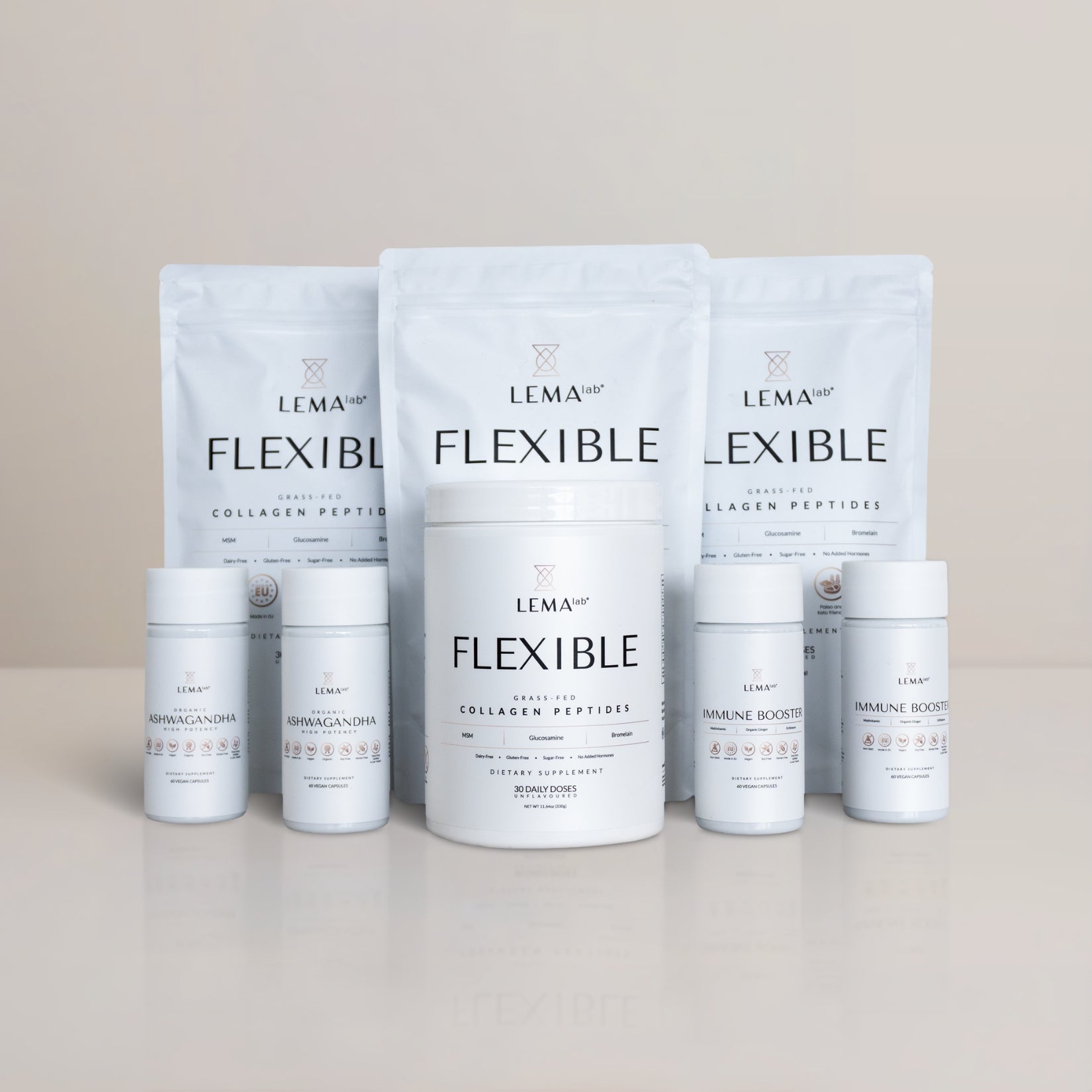
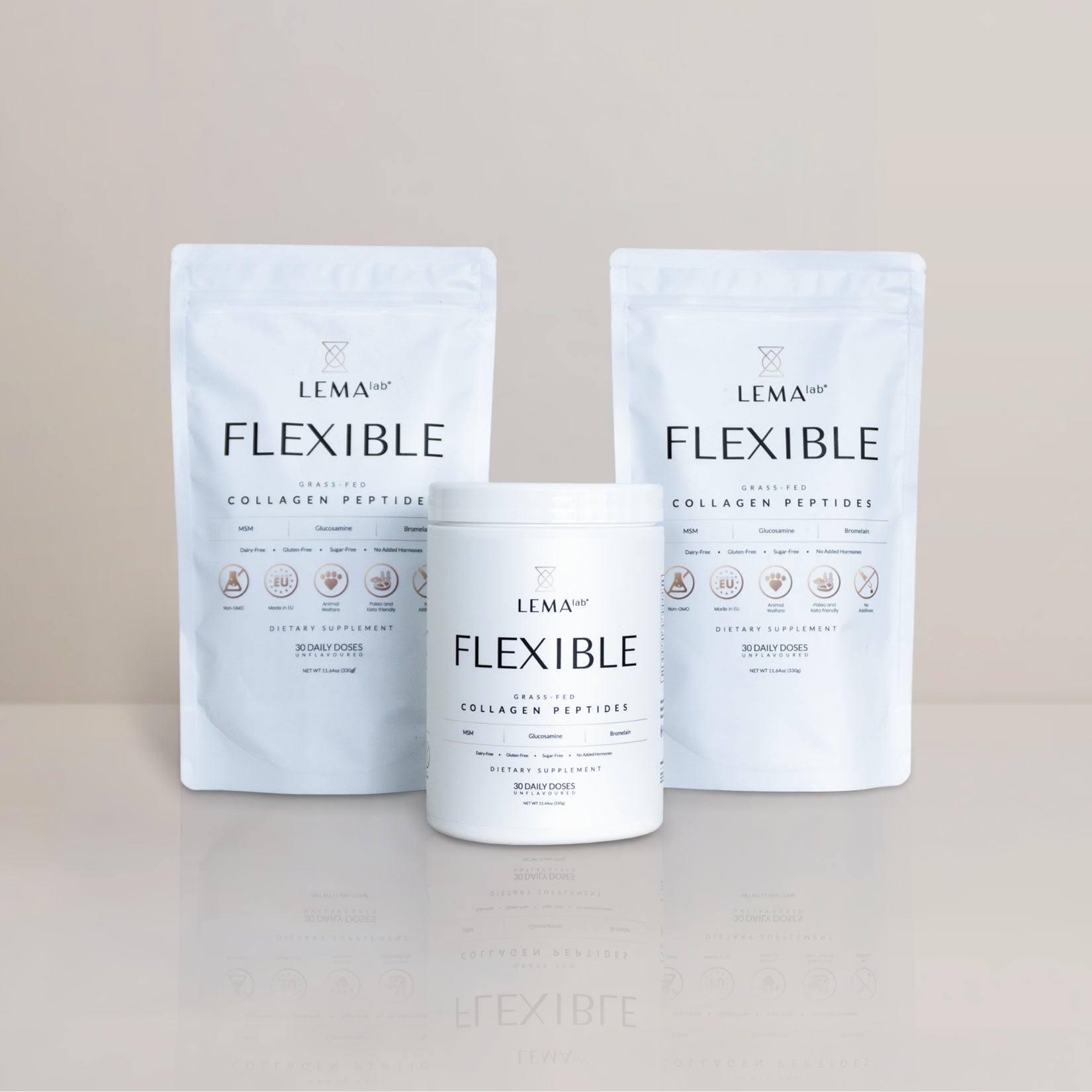
*This interview was originally featured on The Flexi Podcast, the LEMAlab® podcast hosted by Erika Lemay. The full episode is available on Spotify and YouTube.





Leave a comment
This site is protected by hCaptcha and the hCaptcha Privacy Policy and Terms of Service apply.