

BEYOND OZEMPIC: THE SCIENCE OF BOOSTING GLP-1 NATURALLY
Have you ever wondered how your body regulates hunger and satiety signals? Our appetite is controlled by a complex network of hormonal messengers that originate from fat tissue, the gut and the pancreas. These hormones help the brain decide when to eat and when to stop.
Some of the most well-known players in this system include ghrelin, which stimulates hunger, and leptin, which reduces appetite by signalling fullness based on your body’s fat stores. Others like cholecystokinin (CCK), peptide YY (PYY) and glucagon-like peptide 1 (GLP-1) also work to suppress appetite and promote satiety after meals.
GLP-1 in particular has gained significant attention in recent years due to its powerful role in appetite regulation and the growing popularity of medications such as Ozempic. But what if you could support your GLP-1 levels naturally without relying on medication? In this blog, we explore the science behind how GLP-1 works and share the most effective dietary and lifestyle strategies to stimulate it.
FOODS THAT NATURALLY BOOST GLP-1
Certain foods and food components can stimulate the release of GLP-1, but some do it more effectively than others. Here is what research shows, organised by strength of effect:

Strong stimulants
- High-quality proteins such as egg, fish like cod, milk casein, wheat, pea and rice protein have been shown to boost GLP-1. Among them, whey and soy proteins are particularly effective.
- Specific amino acids, which are the building blocks of protein, also play a significant role in GLP-1 activation. For example, L-phenylalanine is especially potent, while L-valine also triggers a strong response. Others, like L-arginine and L-tryptophan, activate GLP-1 only after being absorbed into the bloodstream. These amino acids are mainly in animal foods like meat, eggs, and dairy, but also exist in plants such as legumes (lentils, chickpeas) and nuts (almonds, walnuts).
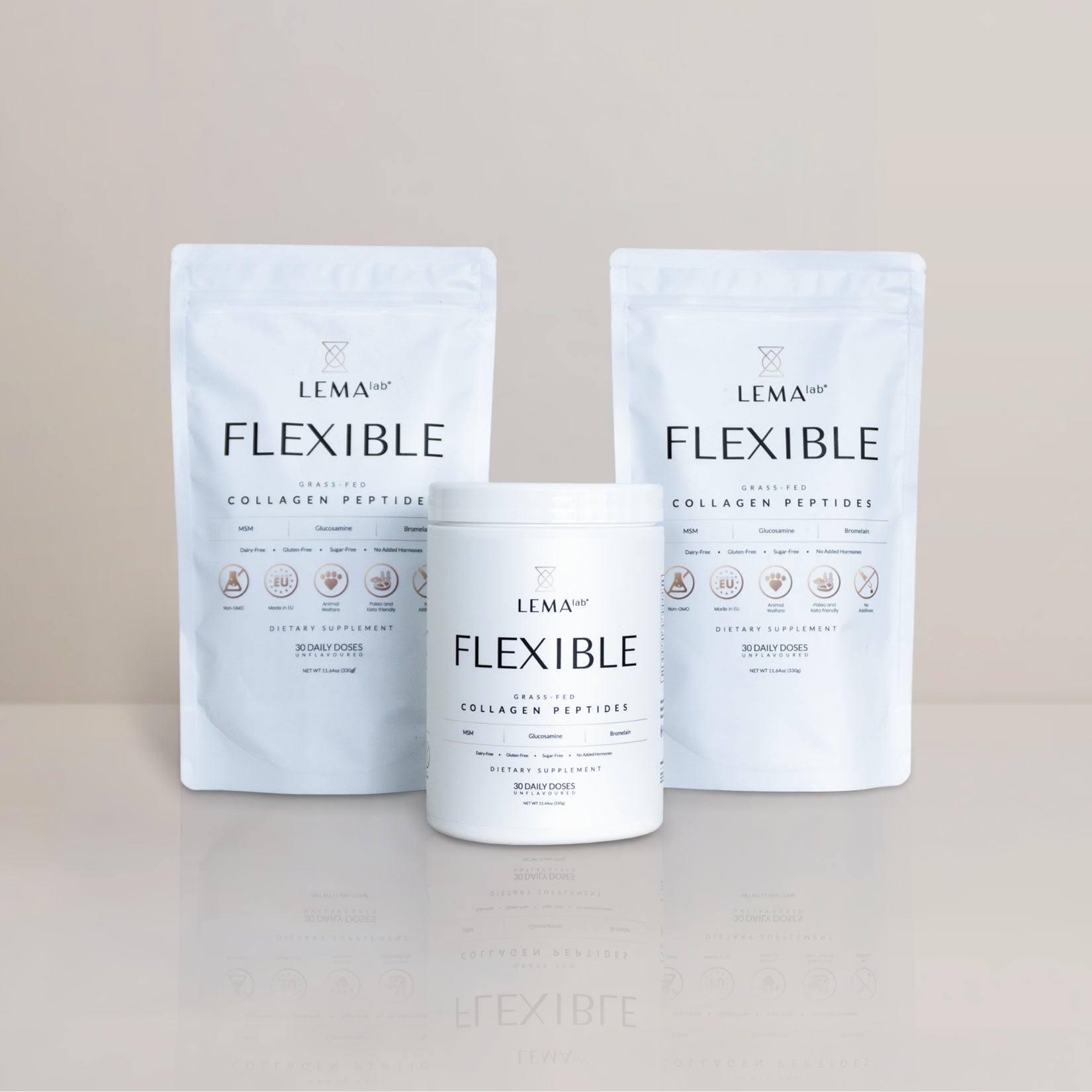
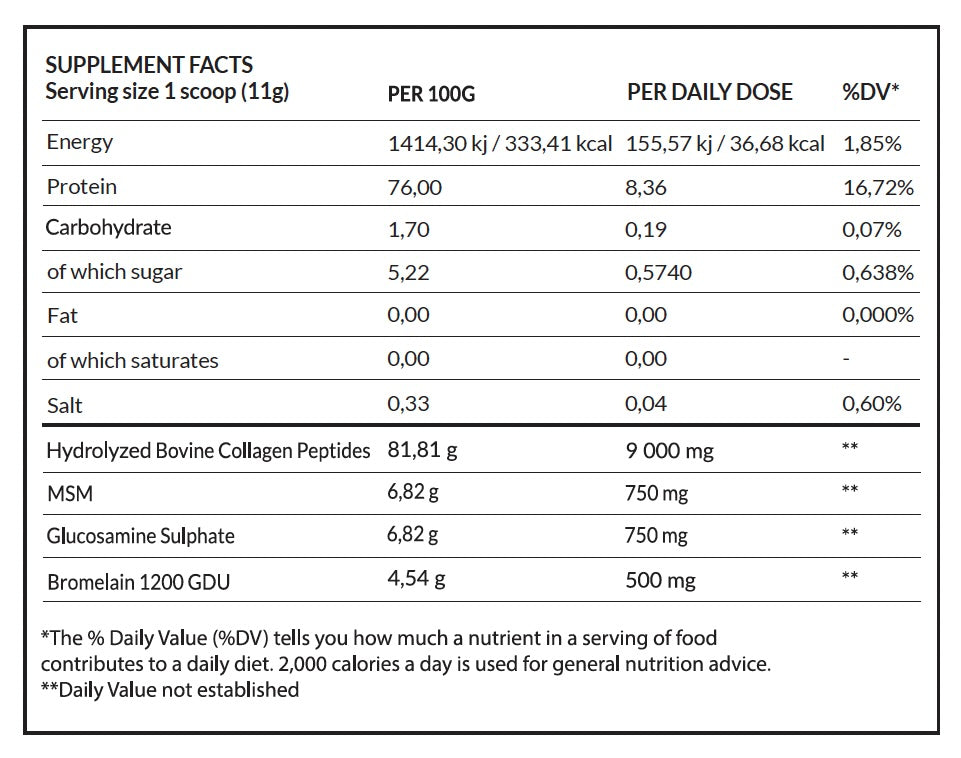
Collagen peptides are another interesting source. FLEXIBLE Collagen naturally provides amino acids such as glycine, alanine, and arginine, which are linked to GLP-1 stimulation. This means collagen may not only support joints and connective tissue but also play a role in satiety and metabolism.

Moderate stimulants
- Healthy fats, particularly alpha-linolenic acid (a plant-based omega-3), can raise GLP-1 levels when paired with certain amino acids. This fat is found in flaxseed, chia seeds and walnuts, and works even better when combined with foods like eggs, tofu or lentils. For example, a lentil salad with walnuts and flax oil makes a great GLP-1 friendly combo.
- Polyphenols, which are protective plant compounds, have also been shown to raise GLP-1. These are naturally present in berries, coffee and cocoa [2].

Indirect stimuli
- Fibre: When fibre is broken down by specific gut bacteria, it produces compounds like hydrogen sulphide (H₂S). Recent studies suggest that this natural gas, produced in the colon, may play a role in stimulating GLP-1 secretion by acting close to the cells in the gut responsible for releasing this hormone. Excellent sources of fibre include legumes, vegetables, fruits, nuts and seeds [10].
EAT SLOWLY, FEEL FULL LONGER
We’ve all heard how important it is to eat slowly and mindfully to support digestion and avoid that heavy, sluggish feeling. Well, here’s another reason to make it a priority: eating slowly can lead to a stronger GLP-1 response, greater satiety, and reduced food intake or snacking throughout the day. Taking smaller bites and chewing more thoroughly also enhances GLP-1 release, helping to curb how much you eat during a meal [6].
But what exactly makes eating slowly capable of influencing GLP-1 release? While studies explore several possible explanations, it’s likely that slower transit along the digestive tract allows nutrients to interact more effectively with the cells responsible for releasing GLP-1 [7].

EFFECTS OF SLEEP QUALITY AND DURATION ON GLP-1
Struggling with cravings after a poor night’s sleep? It’s not just in your head. Studies show that both how long and how well you sleep can influence GLP-1.
Here’s what recent studies have found:
- In a study on women, just 4 hours of sleep led to lower afternoon GLP-1 levels compared to regular sleep. This effect wasn’t seen in men, suggesting women may be more vulnerable to appetite changes after poor sleep [11].
- In healthy men, a single night of fragmented (but not shorter) sleep lowered GLP-1 levels and reduced feelings of fullness. This may increase the risk of overeating or snacking the next day [5].
-
In another study involving healthy young men, total sleep deprivation didn’t change the overall amount of GLP-1 released, but it delayed the peak GLP-1 response to breakfast by about 90 minutes. This delayed signalling could affect how full you feel after meals and impact blood sugar control throughout the day [1].
EXERCISE AND APPETITE: WHAT IS 'EXERCISE-INDUCED ANOREXIA'?
Exercise-induced anorexia has been a term used to refer to a phenomenon involving the temporary suppression of appetite following exercise, especially at higher intensities. This effect is thought to be driven by hormonal changes, specifically lower levels of ghrelin (which stimulates hunger) and increased levels of GLP-1 and PYY (which promote satiety) [3].
What Type and Duration of Exercise Affect GLP-1 Most?
Research shows that both aerobic and resistance exercises, performed at moderate to high intensity, can increase GLP-1 levels. This effect is observed after both short-term (weeks) and long-term (months) training, with longer and more intense exercise programmes potentially providing greater increases in GLP-1. There is no single best type or duration—people can choose the exercise that suits them best, whether aerobic, resistance, or a combination [8].

BOTTOM LINE
If you want to naturally support your GLP-1 levels, it’s not about one single strategy—it’s about building consistent, sustainable habits. Eat slowly and mindfully to enhance satiety and avoid overeating, and centre your meals around high-quality proteins, fibre-rich foods, healthy fats, fermented foods, and antioxidant-rich plants like berries and cocoa.
Engage in regular aerobic or resistance training at moderate to high intensity. The GLP-1 response strengthens when sustained long-term, meaning for months and not just weeks.
Quality sleep also plays a role. Together, these habits help regulate appetite and support overall metabolic health—naturally and without the risk of side effects, as can occur with medication.









Leave a comment
This site is protected by hCaptcha and the hCaptcha Privacy Policy and Terms of Service apply.